The 2026 E-Commerce Blueprint: Launching Your Store Without the Waste
If you’re launching an e-commerce brand in 2026, forget everything you learned in the early 2020s. We have officially left the era of "growth at all costs." The days of throwing venture capital at Facebook ads, hoarding ghost inventory in massive central warehouses, and hoping for a positive return on ad spend are completely over. Today’s market demands efficiency, hyper-personalization, and absolute operational discipline.
Consumers are exhausted by infinite scrolling, environmental guilt, and fragmented shopping experiences. At the same time, merchants are being squeezed by rising acquisition costs and unpredictable supply chains. The solution isn't to hustle harder; the solution is to build smarter.
This is the 2026 Blueprint. It is designed to help you build, launch, and scale a wildly profitable online business by completely eliminating waste—whether that’s wasted ad spend, wasted packaging, wasted code, or wasted inventory.
1. The Rise of Agentic Commerce: Optimizing for AI
We are no longer just building websites for human eyes. By 2026, the concept of "Agentic Commerce" has moved from a tech prediction to a daily reality. Consumers are actively delegating the tedious "search and filter" phases of shopping to personal AI assistants.
Think about how people shop now. Instead of scrolling through thirty pages of running shoes, a shopper tells their AI, "Find me a carbon-neutral trail running shoe under $150 that can be delivered by Friday, and check the reviews for wide-toe-box comfort." The AI agent goes out, crawls the web, negotiates, and presents the top two options.
What does this mean for your brand? If your product data isn't machine-readable, your brand is effectively invisible to the high-volume buyers of the future. Non-human buyers don’t care about your emotional brand story video. They care about structured data, API accessibility, and clear price-per-unit specs.
2. Unified Commerce: The End of Data Silos
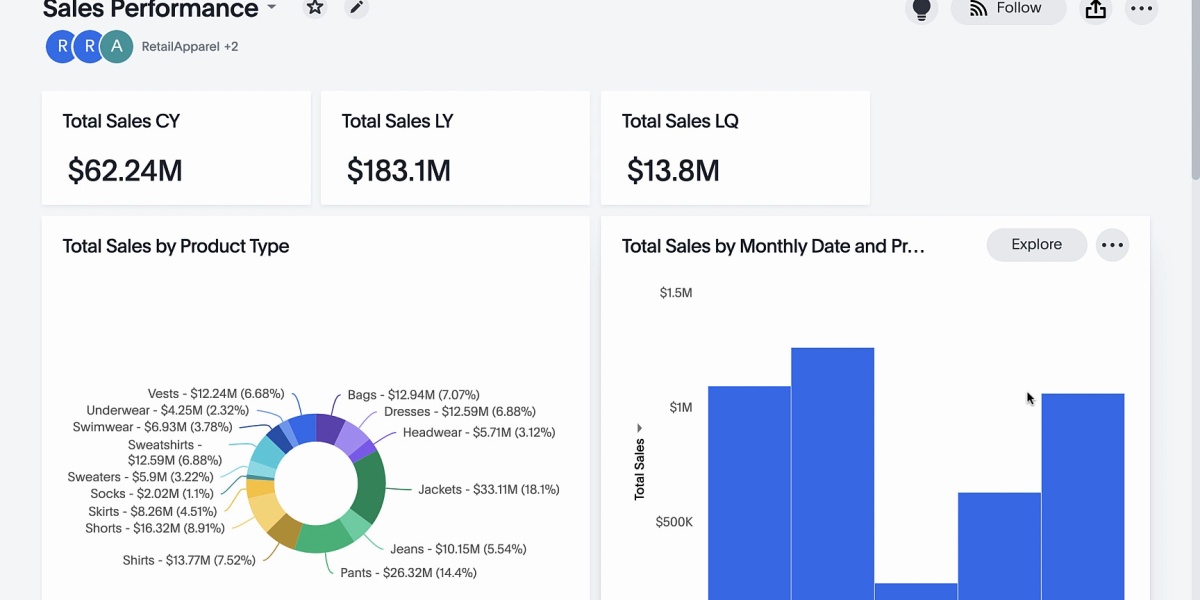
Omnichannel is dead. In its place is Unified Commerce—a single source of truth for your entire operation. The old way of doing things meant your point-of-sale system in a pop-up shop didn't speak directly to your Shopify backend, which didn't sync fast enough with your warehouse.
This fragmentation created massive operational waste. You ended up with "ghost stock" (selling inventory you don't actually have) or dead stock (inventory sitting in a warehouse because the website didn't push it effectively). In 2026, unified commerce creates a single backend where pricing, inventory, and customer history are identical and real-time across every single channel.
"Growth today depends entirely on how well your systems work together, not how loudly you advertise. Operational readiness determines your actual growth ceiling."
When you eliminate the gaps between your sales channels, you reduce fulfillment costs. Real-time inventory visibility allows for aggressive stock rotation. You stop paying to store products that aren't moving, and you stop losing customers because of inaccurate stock levels.
3. Sustainable Logistics: Shipping Without the Guilt
Sustainability is no longer a marketing buzzword; it is a fundamental conversion metric. Modern shoppers will actively abandon their carts if they feel your packaging or shipping methods are wasteful. They are looking for brands that align with their values—but they still want their items delivered quickly.
To launch without waste in 2026, you must rethink your fulfillment network and your unboxing experience.
Distributed Fulfillment Networks
Instead of one massive, centralized warehouse that ships packages thousands of miles (burning fuel and eating up profit margins), smart brands are utilizing regionalized fulfillment. By placing inventory closer to the end customer using third-party micro-fulfillment centers, you drastically reduce transit times, shipping costs, and your carbon footprint.
Purpose-Built Packaging
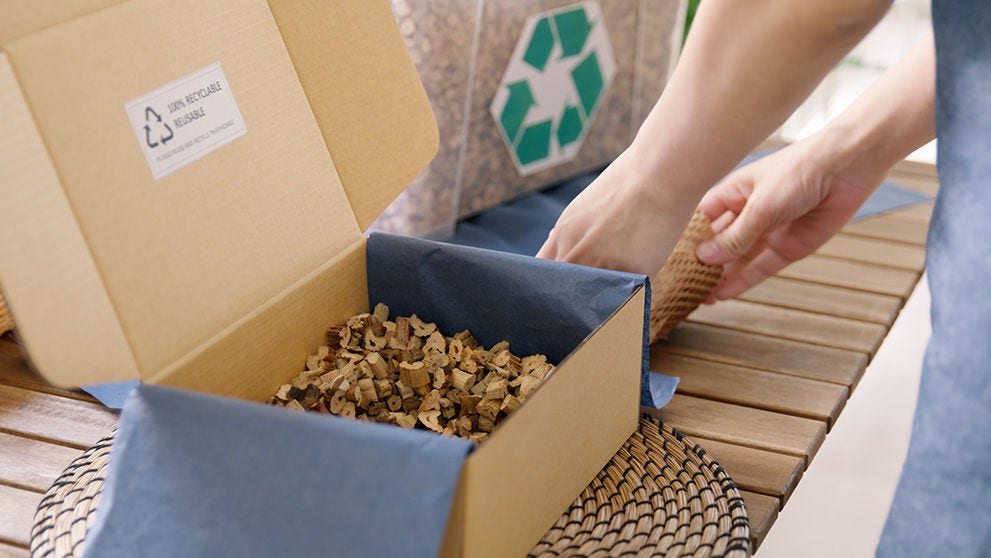
Packaging has evolved. It’s no longer about putting a small item in a massive box stuffed with plastic bubble wrap. Brands are utilizing custom-fit, biodegradable, and fully recyclable packaging. Your unboxing experience should scream efficiency and environmental respect. Additionally, your checkout page must offer a transparent "Green Delivery" option, allowing customers to opt for slower, carbon-neutral shipping if they prefer.
4. Hyper-Personalization: The Store of One
Standard storefronts are obsolete. If three different people visit your homepage, they should see three completely different websites. We have entered the era of the "Store of One."
Powered by zero-party data (information that customers voluntarily and intentionally share with you, usually through quizzes or onboarding flows), dynamic storefronts now adapt in real-time. Navigation menus shift, product catalogs re-rank themselves based on the visitor’s probability of buying, and bespoke product descriptions generate on the fly to highlight the specific features that matter most to that individual user.
Why does this eliminate waste? Because you stop serving irrelevant products to people who will never buy them. Conversion efficiency skyrockets. When your store acts like an incredibly perceptive, intuitive sales associate rather than a static catalog, your customer acquisition costs plummet because your conversion rate doubles.
5. The Lean Tech Stack: Composable Architecture
In the past, brands would buy massive, clunky, all-in-one software platforms. You paid for features you never used, and when you wanted to customize one specific part of the checkout process, the whole system would break. That is digital waste.
The 2026 standard is Headless and Composable Commerce. This means the "front end" (what the customer sees) is completely decoupled from the "back end" (the databases and operations). You can plug and play the best individual tools on the market. Want to swap out your search provider for a faster AI model? You can do it in an afternoon without touching your inventory system.
This modular approach keeps your website lightning-fast. A fast-loading site builds trust immediately, appeases search engine algorithms, and most importantly, doesn't waste your customer's time.
6. Loyalty 3.0: The Emotional Data Engine
Customer retention is the ultimate waste-reduction strategy. It costs five to ten times more to acquire a new customer than to retain an existing one. But standard points-based loyalty programs are dead.
Loyalty 3.0 is about emotional data. It’s an engine that understands the context of a customer's life. Instead of just offering 10% off their next purchase, your system recognizes when a customer is likely running out of a consumable product and offers a frictionless, one-click restock via SMS. It rewards community engagement, authentic user-generated content, and sustainable purchasing choices.
Authenticity beats polish. In an internet flooded with AI-generated content, verified reviews and user-generated photos are the strongest trust signals you have. Brands automate the request loop, asking for reviews exactly when the customer has experienced the peak value of the product, creating a self-sustaining marketing engine that requires zero human effort from your team.
The Bottom Line: Execution Over Hype
Building an e-commerce brand in 2026 isn't about chasing the newest TikTok trend or finding a sneaky drop-shipping hack. It is about architectural mastery.
The brands that will win this decade are the ones that ruthlessly eliminate friction and waste. They respect the customer's time by utilizing hyper-personalization. They respect the planet through regional fulfillment and sustainable packaging. They respect their own profit margins by adopting unified, headless tech stacks that prevent inventory disasters. Focus on efficiency at scale, make your data machine-readable, and let the systems do the heavy lifting.